English teacher and Head of EAL, Luke Johnston, shares his international teaching journey about his first teaching job abroad in Mongolia.
The decision to live and teach abroad can be a difficult choice to make due to the plethora of factors to consider, from leaving family and friends to adjusting to a new climate and culture. However, it is a decision that can offer excellent opportunities for those who make such a bold choice. I have been living and working in Ulaanbaatar, Mongolia, for nearly two years now and, although it is a comparatively little-known, and even less understood, country in the West, I feel that it has so much to offer from my own experience and would recommend it for people considering such a move.
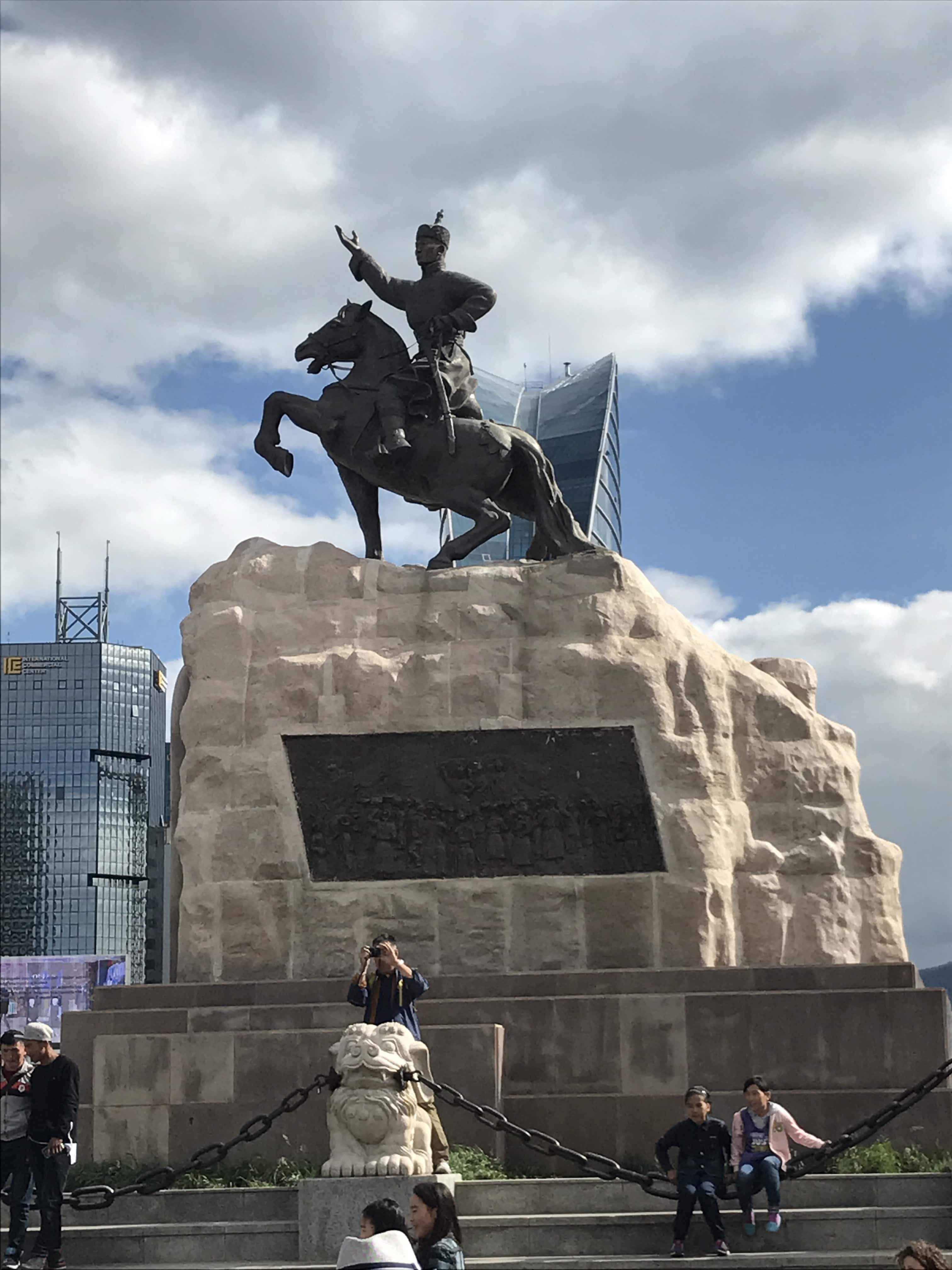
Firstly, while the salary is numerically equivalent to what I was earning when I left the United Kingdom, the cost of living is much cheaper as Mongolia is still a developing country. Therefore, I have been able to enjoy a luxurious lifestyle, such as regularly eating in fine-dining restaurants and drinking at fancy bars and clubs, while still being able to save far more than I could have done in the UK. As a point of comparison, a beer can be bought for £1, a packet of cigarettes for £1.50 and meals at high-end restaurants are usually no more than £10 per meal and often less. The school also subsidises accommodation so the main outgoing of rent and utility bills is greatly lowered, while the accommodation itself is well-located, comfortable and suitable to my needs.
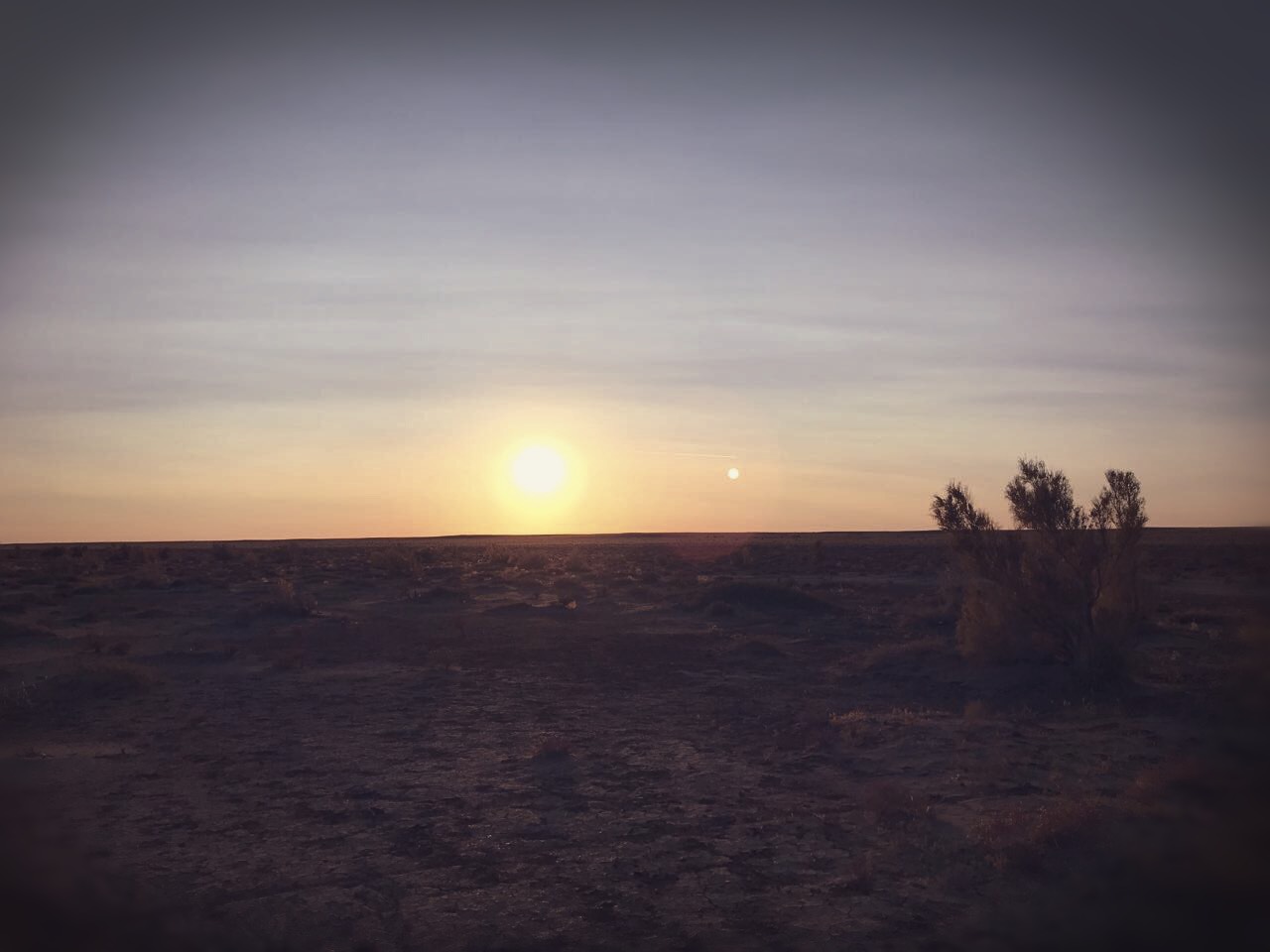
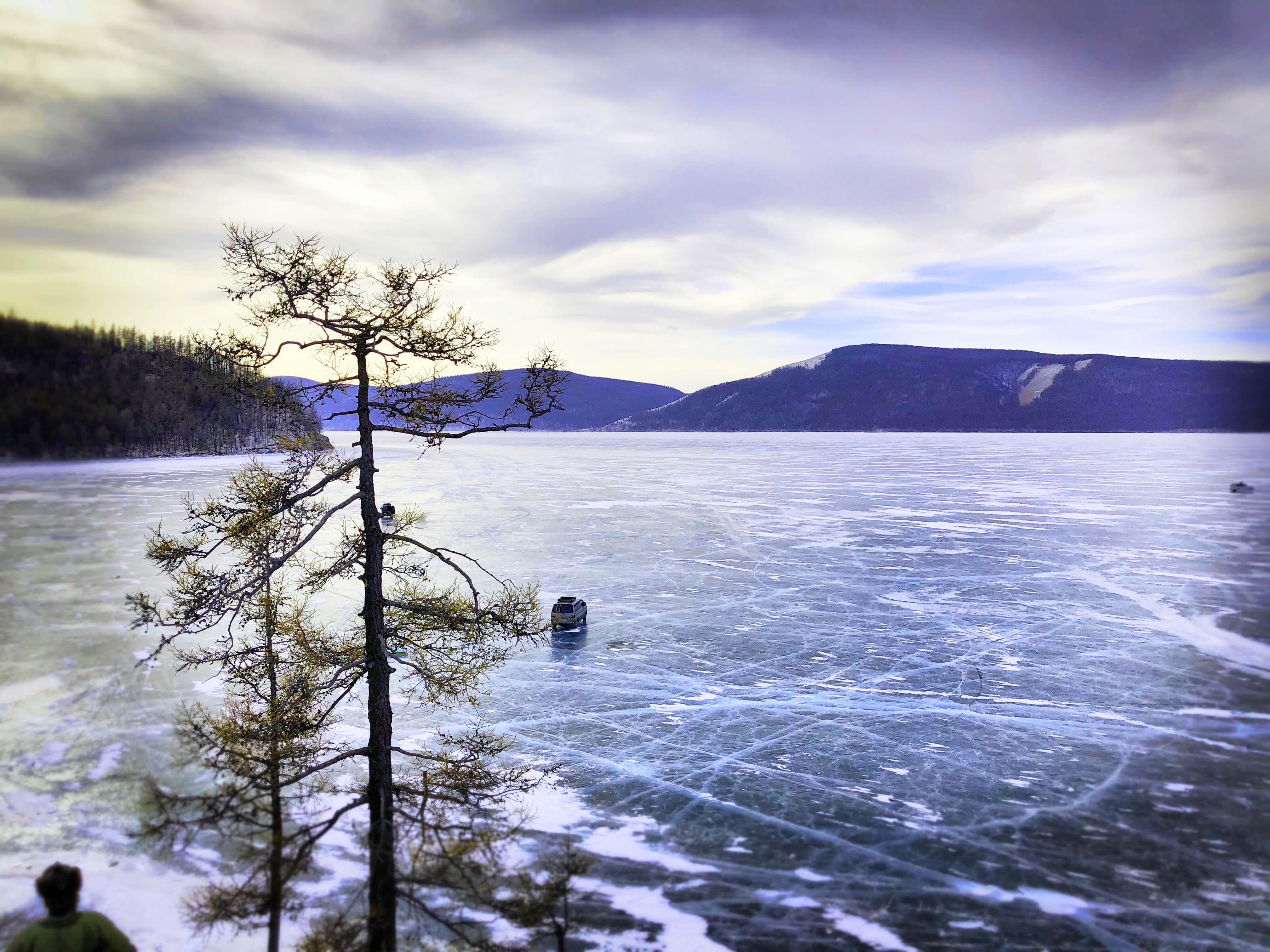
These savings also offer the chance to travel both around Mongolia – which has a lot to offer as it is the eighteenth biggest country in the world by area – and internationally. It is worth considering that, because it is situated between the large landmasses of China and Russia, flights abroad can be more expensive relative to other nearby countries, but the cost and length of travel is still much lower when visiting countries in Asia than from the UK. In addition to travelling to China for a school competition and taking vacations in South Korea and Thailand, my personal travel highlights so far have been camel-riding in the Gobi Desert, horse-riding in Terelj and seeing the beautiful scenery at Khuvsgul Lake in both the winter and the summer. Furthermore, I have seen the traditional nomadic lifestyle while visiting Zavkhan province.
Despite these wonderful rewards and opportunities, day-to-day life is still the predominant factor and, of course, this mostly includes work. Fortunately, my own experience of the teaching side here has been incredible. When I left the United Kingdom, I was disillusioned with the education sector due to the behaviour of the students, the attitude of the parents and the expectations from management. In contrast, my current students care about their schoolwork because, living in a developing country, they know the importance of education and want to do well in an international context. Behaviour issues are at a minimum and parents are mostly very supportive of teachers and the education undertaken by their children. Of course, issues are still present, as they are at any school or institution, but I have generally been allowed to teach with personal freedom and expression. Obviously, your general living environment is also hugely significant. The climate can reach -40° in winter, although it should be noted that this is extreme and that it is more commonly around -25° during the day; due to the drier air, it is also not as bad as might be expected, provided you wear several layers and thick clothing when heading outside. One downside to this weather, though, is the pollution emitted from the power plants and thepoorer ger district which can at times make it the most polluted capital city in the world. Facemasks are available for protection, but this is one of the more off-putting aspects aboutUlaanbaatar for expatriate staff. Personally, I do not find this to be too much of an issue and,due to the school’s location, it is much better than in the city centre, where the pollution is at its worst.
From a social aspect, as someone who comes from a small town in England, capitalcity life has an array of options which I have not experienced before, although I accept thatsomeone moving from a more active hub may find it less attractive and perhaps uninspiring.The options for sport, clubs and events are vast, providing you know where to look and whomto ask; it always helps to interact with the local people to find out what is going on. I have been able to attend gigs by some of the biggest bands in Mongolia, various cultural andsporting events such as the popular Naadam Festival and have been invited to participate insports clubs and networking events. I have also been involved in several local charitable projects, which can be incredibly rewarding. The social possibilities are available but may require some effort and the knowledge of locals.
Culturally, Mongolia has a proud history and tradition, including its long-standing association with the Buddhist religion and, of course, their celebration of Chinggis Khaan(otherwise known as Genghis Khan) which can be seen in an array of temples and museums around the city that are extremely good value for money. The popular holiday of Tsagaan Sar (literally ‘White Moon’ but more commonly known as ‘Lunar New Year’) is an interesting spectacle, and I have been fortunate enough to be invited to several colleagues’ homes to witness how the event is celebrated.
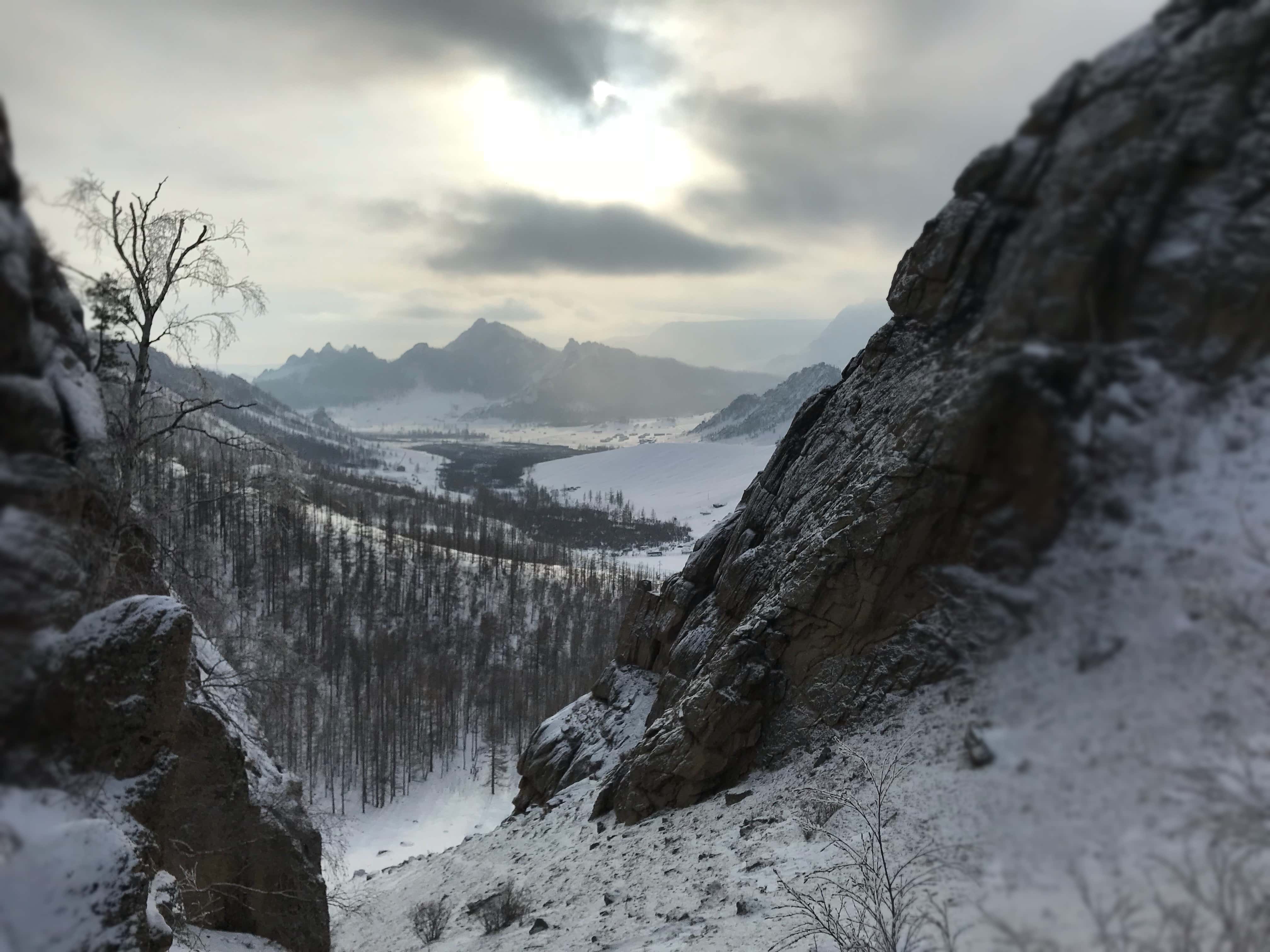
Mongolia also has some stunning nature, as evidenced by its national parks at Terelj and Khustai, which is home to the only true wild horses left inthe world.In summary, my time in Mongolia so far has been an exciting adventure and amassive learning curve in which, if you engage with the local people and their culture, I think the possibilities are endless. Teaching abroad has afforded me so many opportunities already and I would highly recommend it to anyone, but Mongolia is at least worth considering.